
What is Laser Hair Removal and How Does It Work?
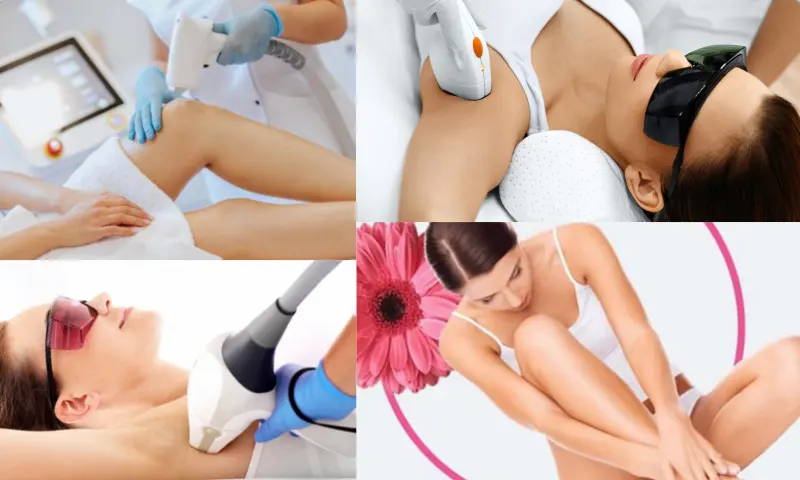
Laser hair removal is a popular method used to permanently eliminate unwanted hair. The laser device uses intense light energy to damage hair follicles, which prevents hair from growing back. Laser beams target a pigment called melanin, reaching the hair follicle without damaging the skin's surface. This procedure can be performed with different devices depending on skin tone and hair color. Laser hair removal, which generally requires several sessions, can be applied to various parts of the body such as the face, legs, underarms, and bikini area. However, to achieve a successful result and protect skin health, there are some important points to consider before and after the procedure. To get information on this subject and ask your questions, you can look at the relevant online firms on the internet pages and review them in detail from here.
Things to Consider Before Laser Hair Removal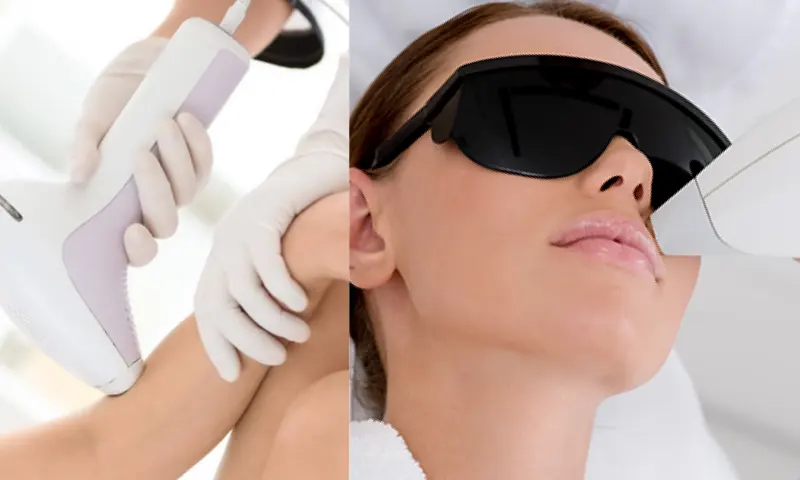
Before undergoing laser hair removal, the individual's skin type, hair structure, and general health status should be taken into account. First, it is important to consult a dermatologist or a specialized aesthetic center. The expert will assess whether the skin is suitable for laser hair removal and select the appropriate device. Sun-tanned skin is not recommended for laser hair removal before the procedure, as there is a higher risk of burns and discoloration on tanned skin. Also, exfoliating products should be avoided before epilation, and methods that remove hair from the root, such as waxing or plucking, should not be used. Instead, shaving should be preferred, as the laser focuses on the hair follicle and the root needs to be in place. It should be ensured that the person does not have any open wounds or infections before starting laser hair removal.
Post-Laser Hair Removal Skincare and Things to Consider
Skin can become sensitive after laser hair removal, and there may be mild redness or swelling in the treated area. This condition is usually temporary, but care should be taken to protect skin health. First, direct sun exposure should be avoided after the procedure, and high-factor sunscreen should be used. Sunlight can cause blemishes and burns on the skin after laser treatment. In addition, hot water, steam baths, and strenuous exercises that can irritate the skin should be avoided after epilation. The skin can be helped to recover faster by using creams that moisturize and soothe the skin. The skin should be protected by avoiding actions such as scratching and rubbing, and if crusting occurs, these crusts should not be picked off. Skincare should be continued between sessions, and the recommended intervals should be observed.





