HOW VRV AIR CONDITIONERS WORK
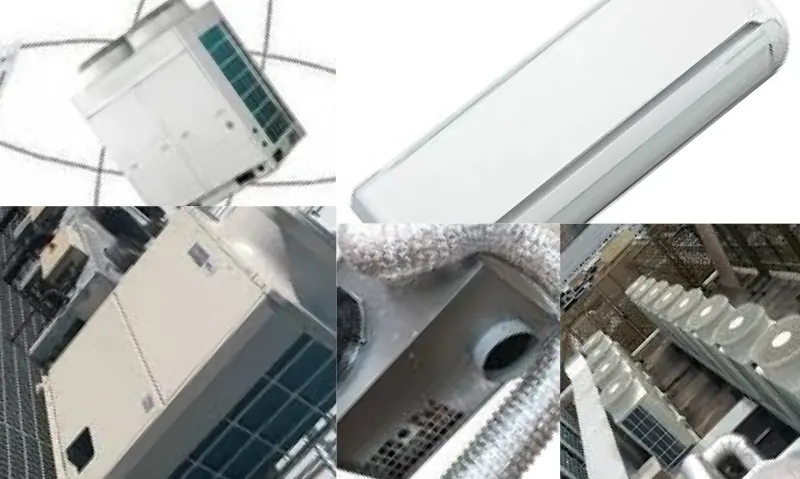
Differences in VRV Air Conditioner Options
VRV air conditioners are among the climate control systems used in homes and workplaces. Products consisting of units such as control equipment, copper piping, indoor and outdoor units are distinguished as air-source and water-source. The outdoor units of the air conditioners vary depending on the air and water source options. This difference varies according to the area where the product will be used. The systems, which create highly efficient options for areas with different heating needs, can be accessed from addresses such as . The difference required for the selection of the correct air conditioner type allows the vehicles to operate efficiently.
Parts Used in VRV Air Conditioner Models
Air conditioner systems include options such as heat pump and heat recovery. In systems produced as heat pumps, the user must choose either heating or cooling options. It is not possible for a VRV air conditioner to provide heat and cooling at the same time. Special components have been developed for the user to use the air conditioner in the desired mode. In heat recovery air conditioner systems, it is possible to provide heat in one room while cooling in another. The options that provide climatic control of the environment are among the most important tools preferred for the creation of a more comfortable environment. The installation of air conditioner systems is completed by bringing together various main parts. For this, the indoor and outdoor units, called heart valves, must be connected. The outdoor unit contains options such as oil separator, pressure sensors, temperature sensors, electronic expansion valve, solenoid valve, four-way valve, heat exchangers, compressor, and motherboard, processor. Indoor units contain options such as temperature sensors, electronic expansion valve, fan motor, fan, electronic board, and heat exchanger. The parts in the indoor unit are connected to the outdoor unit via a system called a communication network.