
The Contribution of Chess to Mental Development
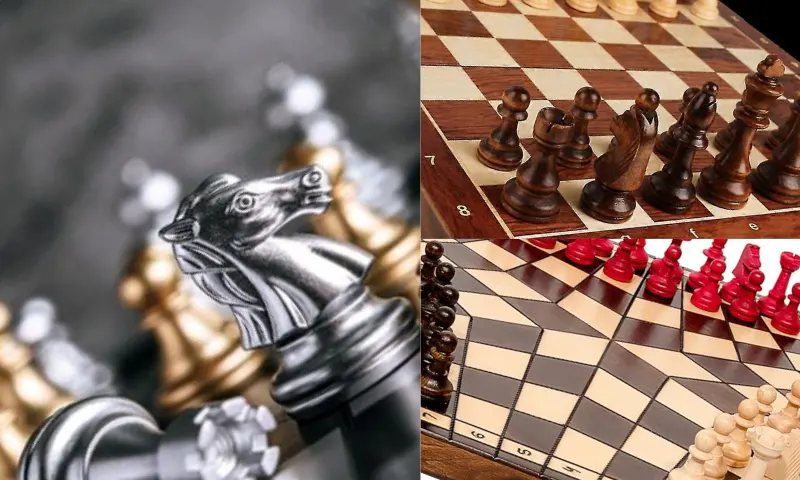
Chess is one of the most established strategy games that enhance thinking skills. This game strengthens players' analytical thinking, problem-solving, and planning abilities. As every move in chess has a consequence, individuals grasp the cause-and-effect relationship more clearly. This situation particularly contributes greatly to the mental development of children. Chess strengthens memory while also increasing attention span. Players learn to foresee possible scenarios by following their opponent's moves. This mental process helps in approaching problems encountered in daily life more logically and calmly. Chess is considered an effective mental exercise that increases mental flexibility by keeping the brain active. For information on this subject and to ask your questions, you can look at the relevant online firms on internet pages and conduct a detailed review from there.
The Effect of Chess on Strategy and Patience
Chess is a game that requires patience and strategic thinking. It teaches making correct and planned moves instead of quick decisions. During chess games, players learn to focus on long-term goals rather than short-term gains. This strengthens strategy development skills. At the same time, chess teaches to accept losing and winning with maturity. Players who learn to be patient can behave more controlled in stressful situations. Foreseeing the opponent's moves, calculating risks, and waiting for the right moment are among the important skills gained from chess. These features also provide significant advantages to individuals in their work and educational lives.
The Social and Cultural Importance of Chess
Chess is not only an individual mind sport but also a universal cultural element. It brings together people of different ages, languages, and cultures around the same table. Chess enhances social interaction while also supporting communication skills. Through tournaments and club activities, individuals find opportunities to socialize around a common interest. Chess highlights values such as discipline and sportsmanship. Respect for the opponent, adherence to rules, and the concept of fair play form the basis of this game. In this respect, chess plays an important role both educationally and culturally. Its widespread presence in schools and educational programs today once again demonstrates the universal value of chess.





