
Advantages of Underfloor Heating Systems

Underfloor heating systems have become a popular and comfortable heating method in modern buildings in recent years. In this system, heat is distributed through pipes or electric cables laid beneath the floor. This ensures a uniform temperature throughout the room and provides more efficient heating compared to traditional radiators. Because underfloor heating systems offer homogeneous heat distribution, they prevent the formation of cold spots. Furthermore, as there are no space-occupying elements like radiators or stoves, they provide a more aesthetic and spacious appearance in the living area. This system, which is also advantageous in terms of energy savings, offers both comfort and economic benefits in the long run. For information on this topic and to ask your questions, you can visit relevant online companies on the internet and review them in detail.
How Underfloor Heating Systems Work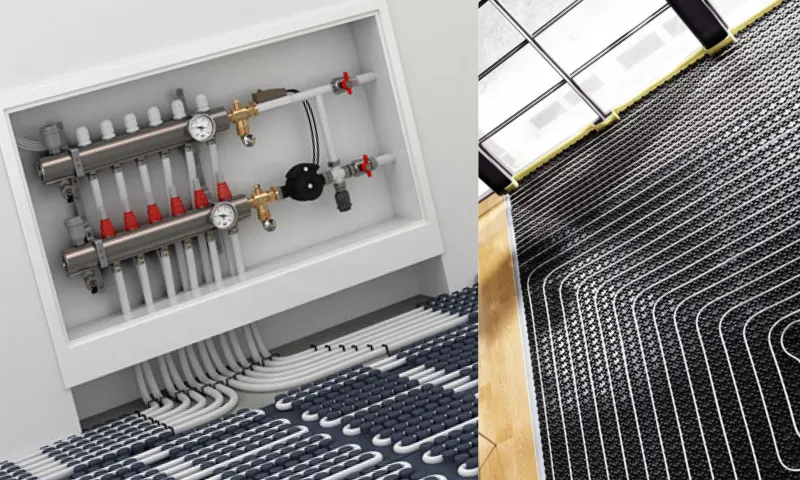
Underfloor heating systems can be installed in two different ways: water-based (hydronic) and electric. In a water-based system, water heated by a combi boiler or central heating circulates through pipes laid in the floor, distributing warmth to the room. In an electric system, heating cables placed under the floor generate heat using electrical energy. In both methods, heat rises from the floor, allowing the space to reach the ideal temperature quickly. This system works more effectively, especially in well-insulated homes. Additionally, it reduces energy consumption as it operates efficiently at low temperatures, making it an environmentally friendly option.
Considerations When Choosing an Underfloor Heating System
Several points should be considered before installing an underfloor heating system. Firstly, the floor's insulation must be well-done; otherwise, heat loss may occur. The flooring material is also important; coverings with high thermal conductivity, such as ceramic and stone, enhance the system's performance. Furthermore, the size of the area to be heated, ceiling height, and the energy source should be accurately assessed. While electric systems are more practical for smaller areas, water-based systems offer more economical solutions for large living spaces. After installation, periodic maintenance and checks ensure the system operates efficiently and has a long lifespan. Considering all these criteria, underfloor heating systems stand out as both a modern and sustainable heating solution.