
Choosing the Right Environment for Lemon Tree Care
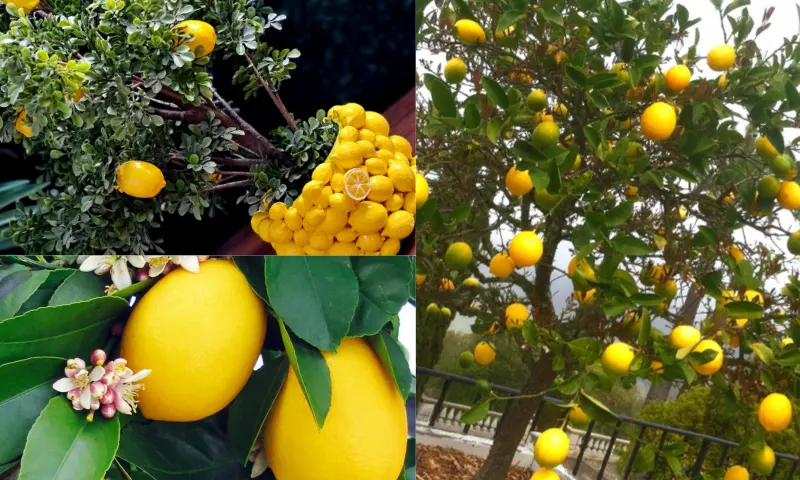
When it comes to lemon tree care, the first thing to pay attention to is providing the right environment. Lemon trees are sun-loving plants and need at least 6-8 hours of direct sunlight per day. If grown at home, they should be placed in well-lit areas such as a balcony or windowsill. Lemon trees grown in the garden should be protected from the wind and their soil should be permeable. A soil structure that does not retain water, is rich in humus, and is slightly acidic is ideal for the healthy development of the lemon tree. With the right positioning, the lemon tree can remain vibrant and productive all year round. For information on this subject and to ask questions you are curious about, you can look at the relevant online companies on the internet pages and examine them in detail from here.
Watering and Fertilizing in Lemon Tree Care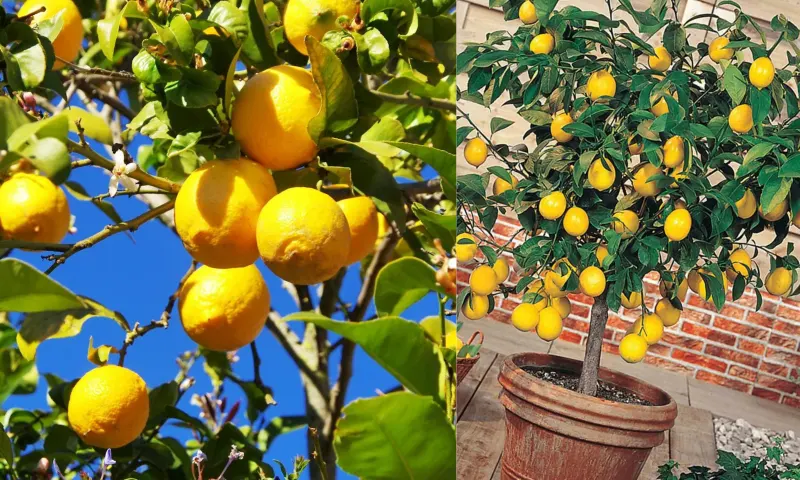
Watering is a critical element for lemon tree care. Watering should be done not when the soil is completely dry, but when it has lost some moisture. While regular watering is necessary, especially in the summer months, the water requirement decreases in winter. However, balanced watering is of great importance, as too much water can lead to root rot. Fertilization is necessary to increase the fruit yield of the lemon tree. From spring to autumn, the plant should be fed with fertilizers rich in nitrogen, phosphorus, and potassium. Organic fertilizers or liquid plant nutrients can also be preferred in lemon tree care. Regular fertilization keeps the leaves vibrant and the fruits develop more healthily.
Pruning and Disease Control in Lemon Tree Care
In the process of lemon tree care, pruning is important for both shaping the tree and increasing its yield. Pruning is usually done in the spring. Weak, diseased, and dried branches are cut, directing the tree's energy to healthy branches. Pruning also allows the tree to receive air and benefit better from sunlight. Regular checks for diseases and pests are also necessary for the lemon tree to remain healthy. When yellowing, spotting on the leaves, or insect infestation is observed, intervention should be made with appropriate methods. With proper pruning and disease control, the lemon tree can survive for many years as both a decorative and productive plant.





