
Drought and Its Effects
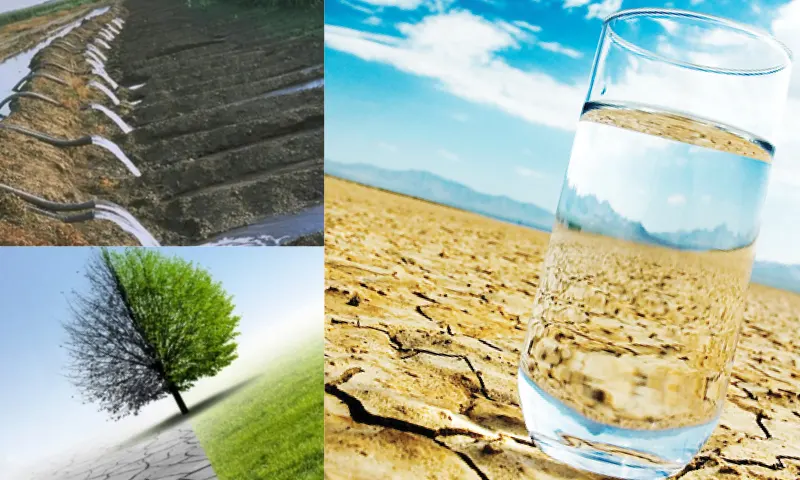
Drought is a natural phenomenon that occurs during periods of water scarcity. Factors such as climate change and human impact are causing droughts to become more frequent and their effects to increase. Drought depletes water resources while also having profound effects on the environment, agriculture, and society. To get information on this topic and ask your questions, you can look at relevant online companies on web pages and review them in detail here.
Causes and Types of Drought
The main cause of drought is experiencing less rainfall than normal or periods of water scarcity. Climate change affects rainfall patterns, contributing to more frequent droughts. There are different types, including meteorological, hydrological, and agricultural drought. Meteorological drought is characterized by low rainfall amounts. Hydrological drought is associated with the depletion of water resources. Agricultural drought occurs during periods when agricultural activities are harmed. Drought disrupts the ecological balance. As water resources decrease, soils become thirsty, increasing the risk of erosion and desertification. Vegetation is damaged, and the risk of forest fires rises. Crop yields decline in agricultural areas, and feed shortages arise for livestock. Additionally, energy production is negatively affected. As water levels drop, the efficiency of hydroelectric power plants decreases.
Combating drought begins with the sustainable use of water resources and water conservation. Water management plans ensure the balanced use of water. Improving irrigation systems and efficient water use can reduce the impact on agriculture. Furthermore, combating climate change can mitigate the effects of drought. In conclusion, although drought is a natural phenomenon, it is becoming a more serious problem with climate change and human impact. Depletion of water resources leads to negative effects on the environment, agriculture, and economy. Measures such as water management, water conservation, and combating climate change are important to alleviate the effects of drought. In this way, water resources can be used more sustainably, ensuring clean and sufficient water resources for future generations.





