
Gas Fire Suppression Systems and Security Protocols in Critical Data Centers
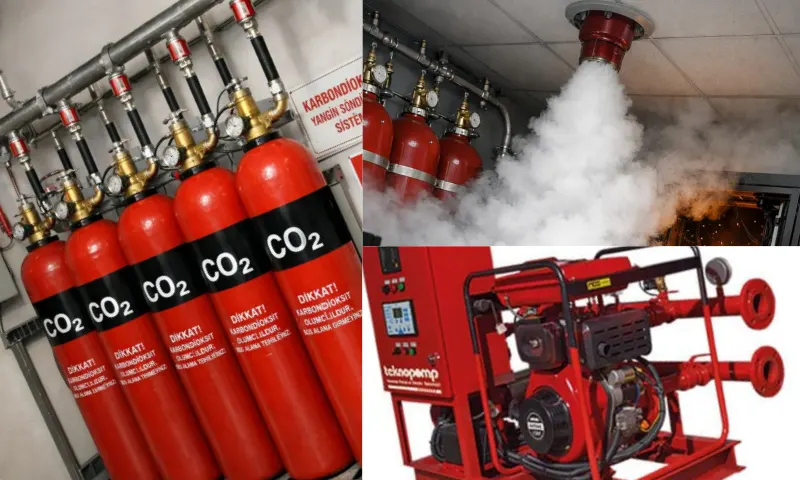
Engineering Parameters in the Selection of Gas Fire Suppression Systems
Gas fire suppression systems are the sole shield that prevents a malfunction, which can occur in seconds in a data center or system room, from turning into massive data loss. As Ukaz Fire and Security Systems, we know very well that the damage that water or dust can cause in protecting digital assets can be more destructive than the fire itself. You can examine the professional solutions we offer to maintain this delicate balance and secure your systems at https://ukazfire.com/en/product/gas-fire-extinguishing-systems/. Gas fire suppression systems extinguish flames by reducing the oxygen level in the environment below the combustion limit or by breaking the chemical reaction. Unlike classical methods, these mechanisms leave no residue, water stains, or corrosion risk behind after intervention. Especially in areas like server rooms, museums, and laboratories where "water should not touch," this technology is not just a legal but a logical necessity for operational continuity.
Gas Fire Suppression Systems and Sustainable Maintenance Discipline
When designing gas fire suppression systems, many variables such as the type of gas to be used (FM200, Novec 1230, or CO2), the volume of the space, and the sealing status must be calculated. If proper engineering is not performed, the gas release rate or concentration in the room may not be sufficient to extinguish the fire. Room sealing tests conducted by expert teams transform the system's efficiency from theoretical data on paper into real protection. Gas fire suppression systems should be configured to prioritize the safety of personnel present in the environment at the moment of activation. The selection of gases that do not harm human health (within LOAEL values) should be supported by automation that works in sync with the evacuation process. These seemingly complex structures are, in fact, intelligent algorithms that are shaped according to the characteristics of the space and stand guard silently every second. Gas fire suppression systems are not a mechanical installation to be installed and forgotten; they are living structures that must be regularly subjected to pressure tests and hardware inspections. The state of blockage of nozzles in pipe lines, weight controls of gas cylinders, and the accuracy of control panel signals must be inspected by expert eyes at regular intervals. These routines are the only way for the system to function flawlessly in that critical second when it is needed. Gas fire suppression systems should be evaluated not by the cost of the investment, but by the value they will save in the event of a potential disaster. When we consider the months-long restoration process of a facility or the irreplaceable archives that are lost, the importance of this protection shield becomes clearer. When planning for the future, it is necessary to build not only today's comfort but also the defense line for unexpected moments.





