
Gasket for Heat Exchanger
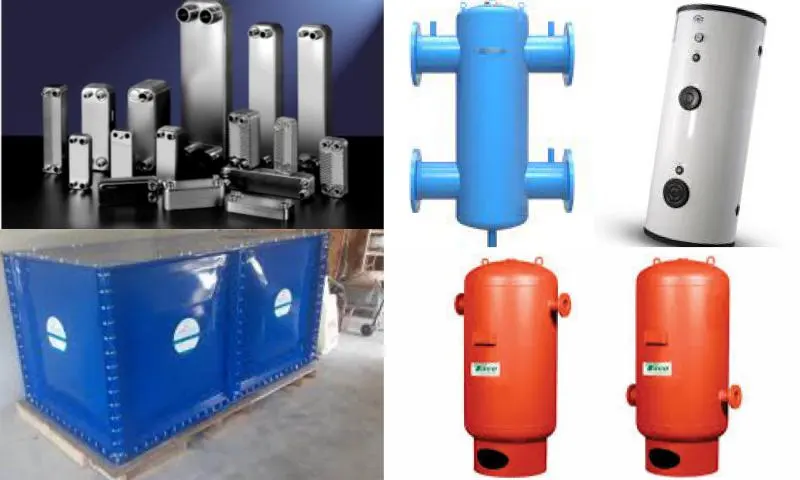
Importance of the Gasket in the Operation of the Heat Exchanger
The heat exchanger gasket is one of the most important parts of the heat exchanger. It is designed to prevent two fluid liquids with different temperatures from mixing during heat transfer. A heat exchanger is equipment that allows heat transfer between two fluid liquids with different temperatures without them mixing. It is used in many important fields such as the chemical and pharmaceutical industries. If you want to learn more about heat exchangers and their gaskets and get expert support, you can visit the site https://www.vefaheat.com/contali-esanjorler/.
What to Know About Heat Exchanger Gaskets
The direction of movement of the fluid liquids inside the heat exchanger is from the connections on the heat exchanger body towards the plates. The heat exchanger gasket is the main component that directs this fluid. These moving fluid liquids do not mix with each other. Plate gaskets also ensure this. Therefore, gasket selection is of great importance. Rubber gaskets are generally preferred in plate heat exchangers. Rubber gaskets have a sealing property. They also prevent the passage of fluids between the plates. Using the heat exchanger gasket made of the correct material and in the correct dimensions is also of great importance. NBR, EPDM, and VITON gasket materials are generally used in plate heat exchangers. The heat exchanger gasket is the part that gets damaged the most and consequently requires the most repair. This is due to incorrect installation and material selection. If its repair is delayed, it can cause significant damage to the heat exchanger system. The most common problem encountered with heat exchanger gaskets is leakage. This leads to heat and pressure loss. Indirectly, efficiency decreases and fuel consumption increases. In addition, the quality of the material used in gasket manufacturing is an important detail. Furthermore, expert assistance is required during the installation of the heat exchanger gasket, which is an important connecting element.





