
What are the Differences Between Polyanionic Cellulose High Viscosity and Low Viscosity?
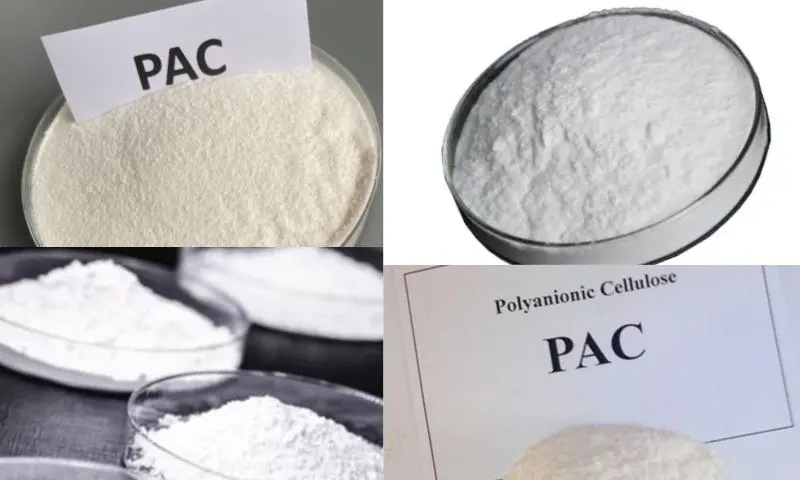
How is Polyanionic Cellulose High Viscosity Used in Oil and Gas Drilling?
Polyanionic Cellulose High Viscosity and Low Viscosity forms are two main types generally used in the drilling, oil, and gas industry. High Viscosity PAC is used as a thickener in water-based drilling fluids and offers higher strength. This ensures better wellbore cleaning and transport of solids during the drilling process. Low Viscosity PAC, on the other hand, is preferred more for filtration control. The Low Viscosity form is used to minimize fluid loss and increase the integrity of the borehole wall. You can visit the web address https://aciselsan.com.tr/ for detailed information about Polyanionic Cellulose High Viscosity.
What is the Chemical Structure of Polyanionic Cellulose High Viscosity?
Polyanionic Cellulose High Viscosity plays a significant role in oil and gas drilling. By being used in water-based drilling fluids, it increases the well's efficiency and stabilizes the wellbore wall. Its high viscosity enhances the carrying capacity of the drilling fluid, allowing solids within the hole to be transported to the surface more easily. Polyanionic Cellulose High Viscosity is resistant to the high pressure and temperature encountered during drilling. It protects the integrity of the borehole wall by optimizing the filtration properties of the drilling fluid. Thus, it adapts to the challenging conditions encountered in oil and gas drilling, making drilling operations more efficient and safer. Chemically, Polyanionic Cellulose High Viscosity is a semi-synthetic polymer containing sodium cellulose derivatives. Obtained by modifying cellulose, this chemical is formed by replacing many hydroxyl groups with sodium. The polymer chains in its chemical structure swell to a high degree in water-based solutions, increasing viscosity. This property allows PAC High Viscosity to exhibit stability and thickening effects in drilling fluids.





