What are the Properties of Carboxymethyl Cellulose?

What Products is Carboxymethyl Cellulose Used In?
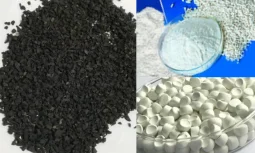
Carboxymethyl Cellulose (CMC) is a chemically modified cellulose derivative. Obtained by modifying natural cellulose with carboxymethyl groups, this compound is used in many industries due to its water solubility and high viscosity properties. One of the most prominent properties of Carboxymethyl Cellulose is its function as a stabilizer and thickener. It dissolves completely in water, creating a highly viscous structure, which makes it an important ingredient in both food and industrial applications. It is also biodegradable and non-toxic, thus it does not harm the environment. Its resistance to high temperatures and its ability to maintain its viscosity even at low temperatures are the main reasons why Carboxymethyl Cellulose is preferred in sectors such as food, pharmaceuticals, cosmetics, and textiles. For detailed information about Carboxymethyl Cellulose (CMC), you can visit the web address https://aciselsan.com.tr/.
What are the Environmental Effects of Carboxymethyl Cellulose?
Carboxymethyl Cellulose is an additive with a wide range of applications and is found in a variety of products across different industries. In the food industry, it is used as a thickener and stabilizer, especially in ready-to-eat foods, sauces, ice creams, and beverages. It also replaces gluten in gluten-free products, preserving the dough structure. In the pharmaceutical industry, it is used as a tablet coating agent and also increases the viscosity of syrups. In cosmetic products, it acts as a humectant and stabilizer in products such as creams, lotions, and toothpastes. In the textile industry, Carboxymethyl Cellulose helps dyes spread evenly on the fabric, while in the paper industry, it is used to increase the durability of paper. The production of Carboxymethyl Cellulose is achieved by converting abundant natural cellulose through chemical processes. This process involves the use of various chemicals and can have negative environmental impacts. Wastewater and chemical residues generated during production can pollute water resources. The energy sources used in the production of Carboxymethyl Cellulose also contribute to carbon dioxide emissions, negatively impacting climate change.