What is a Contraction Tank?
What Should a Contraction Tank Be Like?
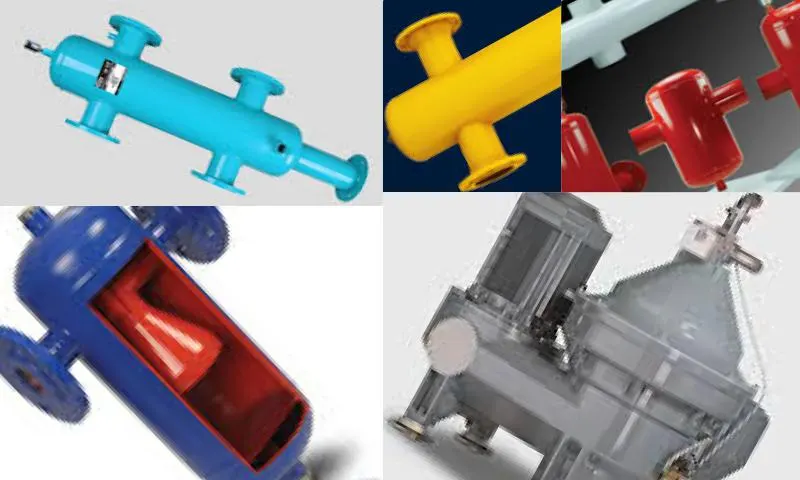
During heat exchange in exchanger systems, two different fluids enter a chamber, and the hot fluid entering this chamber shrinks in volume after its temperature drops, meaning it contracts slightly. The chamber where this physical phenomenon occurs is called a contraction tank. Contraction tanks must be resistant to wear and tear as they continuously absorb and lose heat. You can find all the information about contraction tanks on the site https://www.vefaheat.com/tanklar-2/genlesme-buzusme-tanklari/. This tank will be continuously exposed to temperature differences and will constantly undergo micro-dissolutions. Therefore, the maintenance of these tanks should be done on time, and their repair should be managed systematically.
Pressure Gauge in a Contraction Tank
Contraction tanks must have the capacity to withstand the pressure created by the fluid inside. Just as we want them to be resistant to changes like temperature and heat, their resistance to pressure differences is also a priority. The most commonly used contraction tank today is the contraction tank with a replaceable membrane. Contraction tanks are tanks with capacities ranging from 8 liters to 10000 liters. These tanks are generally designed to be cylindrical from an engineering perspective. They can be used in the form of horizontal or vertical tubes. Fluid entry is provided through pipes varying from 1" to 4". The heights of these tanks can reach approximately 6 meters. The weight of the smallest tank is 2.8 kilograms, while the heaviest tank is around 1920 kilograms. It is mandatory for tanks to have a pressure gauge. In case of any malfunction or for early diagnosis of problems that may arise from pressure, these gauges are of great importance. Instead of intervening in a tank that is about to explode due to increasing pressure, it is the best option to have it handled by experts when the pressure is continuously increasing and this problem is detected early. Attention must be paid to the design phase of contraction tanks so that their maintenance and repairs can be carried out easily.