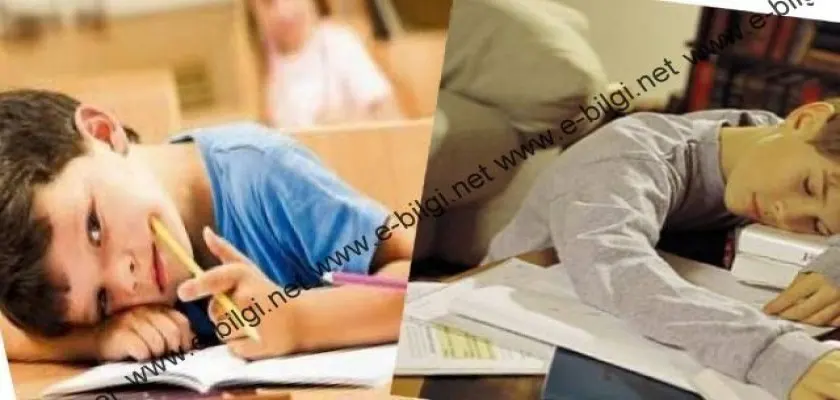
Causes of Passive Anger in Children
Irritability and anger are known as very normal emotions that daily life brings to people, experienced in the face of unmet desires, expectations, frustrations, and all unsatisfied needs. People experience all emotions at every age, from infancy to maturity and old age. When this emotion is expressed in the most appropriate ways, it is considered healthy and natural; however, when it is not expressed correctly, it can turn into a destructive force. Nowadays, children become quite aggressive in some situations, thus they do not undertake their duties in schools and homework systems. They stay away from other lesson systems. Moreover, while anger and irritability are easily expressed by some children, it is quite difficult for others to externalize them, and they express these feelings in different ways, generally not taking on the necessary responsibilities. If children have generally not learned different ways to express their anger, they often do not know how to reflect these feelings healthily and tend to avoid these emotions. Feeling emotions like hostility, conflict, disappointment, and hatred causes a kind of guilt, and they start looking for ways to escape from this feeling.
How Should Passive Anger Be Controlled in Children?
These emotions cause children to experience difficulties even at the stage of homework covers and systems. Children who do not know how to express anger differently and do not know how to behave, realizing that this passive anger is a method of escaping responsibility, will choose this path that hinders a healthy relationship. If you are tired of your children doing their duties and responsibilities very late and only with your coercion, and if you have given up reminding them of their responsibilities, they have realized that they can control you with these methods. Everything you do for your children in their place actually hinders them from becoming independent and secure individuals in the future. Absolutely do not let your children experience learned helplessness, and give up expecting them to handle all their duties and responsibilities themselves. However, ensure they undertake all their lessons, homework covers, and other responsibilities, but accustom them to these with more tolerance.