
What to Do by Age Group for Your Baby to Be Independent
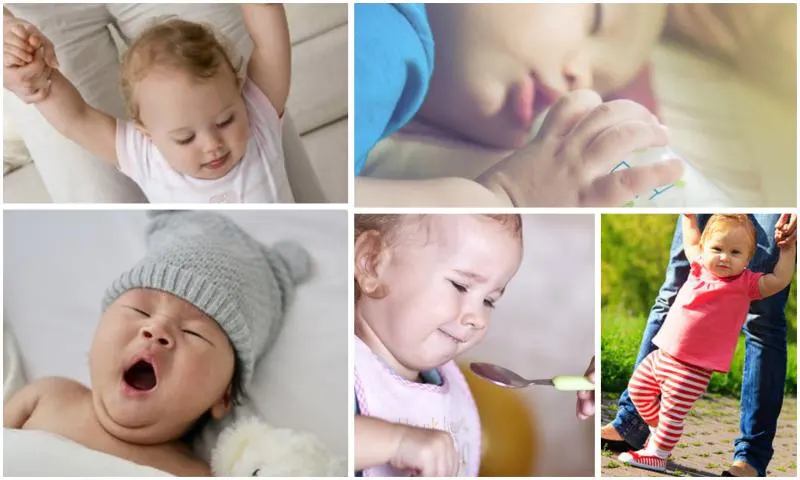
Feeding
There is some important information in what we will explain here that can help your baby gain independence. However, when trying these, remember that all children progress at different rates. Therefore, if they don't want to do it, don't force them, you might cause unintentional harm.
Movement
12-18 months She can lift her cup but cannot put it back without spilling. She wants to eat her food herself, but unintentionally brings the spoon towards the floor instead of her mouth. Therefore, finger foods and bottles are useful for her. 18-24 months She can use a cup independently. She starts to manage a fork. Get her her own cutlery. Eat with her. She tries to imitate your actions. 24-30 months She can eat her meal by herself. Allow her to be with you when preparing simple things. For example, you can let her mix ingredients while baking a cake. 12-18 months She hasn't started walking yet, she can crawl up the stairs. Remove objects that restrict her space and encourage her to take steps. You can also teach her to crawl down the stairs. 18-24 months She can move quickly in a straight line. You can get her pedal-less bikes or other ride-on toys and let her ride them in an unobstructed and safe area. 24-30 months She is constantly moving! You can create spaces where she can release her energy, such as various balls, small steps to jump over, and an obstacle course. 12-18 months She can help when being dressed. She can take off her hat and socks. Get toys with rotary phone keys or with zippers and buttons. Besides this, scribbling can also improve her hand-use skills. 18-24 months She can take off a jacket with an open zipper herself. Get dolls with easy-to-remove clothes. (for girls). Let her use simple accessories like a scarf or large hats. 24-30 months She can take off her clothes by herself and can dress herself unless there is a zipper or button. Dress her in clothes with wide waistbands that are easy to take off. These are also very useful during potty training. 12-18 months She can be introduced to a toothbrush. Let her brush her teeth herself, but use very little or no toothpaste in case she swallows it. 18-24 months Teach her to wash her hands before and after meals, and after using the toilet (if she has learned to use the toilet). When washing her hands, place a stool she can step on to reach the sink and an easily accessible towel. Be careful not to turn on the hot water side of the faucet. 24-30 months She is using a potty and may be ready to use the toilet. She needs help to clean herself. Place a potty training seat on top of the toilet and a stool for her feet below, and ask her to flush the toilet herself after use.





