
DJing Skills and Equipment: Musical Knowledge and Technical Gear
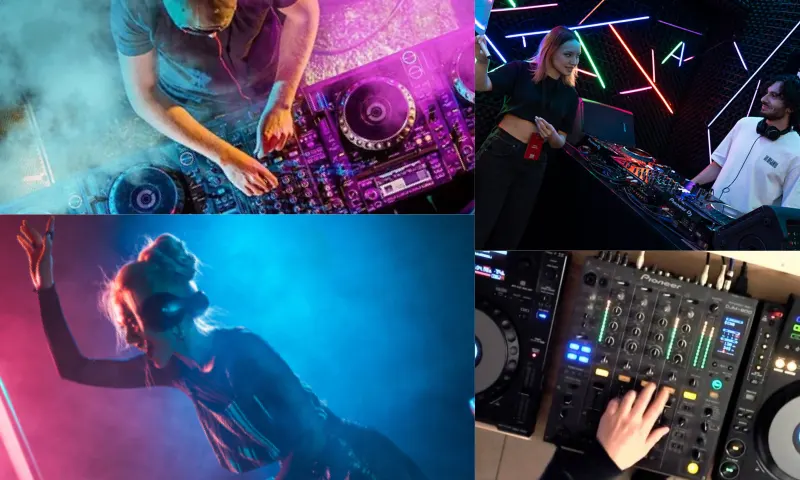
To be a DJ, musical knowledge is not enough; technical skills are also required. DJs understand different music genres and styles, select the right tracks, and mix according to the mood of the audience. Basic musical skills such as music theory knowledge, sense of rhythm, tempo tracking, and harmony are among the most important characteristics of a successful DJ. Technical equipment plays a big role in the DJ profession. What was once done using records and gramophones has evolved into digital music systems and software today. DJs typically perform using equipment such as turntables, DJ mixers, computers, MIDI controllers, and sound systems. Digital DJing software (e.g., Serato, Traktor, or Rekordbox) greatly facilitates DJs in cutting, blending, and transitioning music tracks. Thanks to these software, DJs can deliver a professional performance and connect music seamlessly. For information on this topic and to ask your questions, you can look at the relevant online companies on the internet pages and review them in detail.
DJ's Professional Life and Career Opportunities: A Journey in the Entertainment World
DJing offers a versatile career opportunity. While many DJs earn income by performing at club nights, some participate in major festivals and gain worldwide recognition. Furthermore, they can shape their careers by hosting radio shows or performing live streams online. DJs can also produce their own music by engaging in production and establish themselves in the music industry by releasing their songs. In the beginning of their careers, DJs can gain experience by working in smaller venues such as local clubs or bars. However, achieving success, reaching a wide audience, and performing at large events can take time. The effective use of social media and music platforms by DJs can accelerate their careers. Additionally, opportunities for DJs are not limited to nightlife; they can take part in various events, from weddings to corporate events.
Advantages and Disadvantages of Being a DJ: Creativity and Continuous Work
The DJ profession may seem like a fun and creative job, but it also has its challenges. Among the advantages are being immersed in music, participating in globally recognized events, and interacting with people. DJs can captivate large crowds by performing on stage and ensuring people have a good time. This is a satisfying experience for many DJs. However, the DJ profession is a field that requires discipline and continuous work. DJs often need to travel for events and performances, which can strain work-life balance. Furthermore, there is a constant need to discover new music, learn new techniques, and strive for self-improvement. Beyond stage performance, DJs need to develop their skills in areas such as music production, social media management, and marketing. The DJ profession offers an exciting career opportunity for those interested in music and entertainment. This profession, requiring both creative and technical skills, can be an ideal choice for those who want to travel the world and perform for large audiences. However, coping with challenges and the demands of the ever-changing music industry is key to becoming a successful DJ.





