What is Fiber Nutrition and Why is it Important?
Fiber nutrition refers to the regular consumption of foods rich in dietary fiber. Fiber is a type of indigestible carbohydrate and is commonly found in vegetables, fruits, whole grains, and legumes. Fiber-rich foods help the digestive system function healthily and regulate bowel movements. It also supports weight management by increasing the feeling of fullness. Fiber has positive effects on cardiovascular health, helping to lower bad cholesterol while also playing an important role in balancing blood sugar. Although daily fiber needs vary by age and gender, an average of 25-30 grams of fiber is recommended for adults. You can look at relevant online companies on internet pages to get information on this subject and ask your questions, and examine them in detail from here.
What are Fiber Sources?
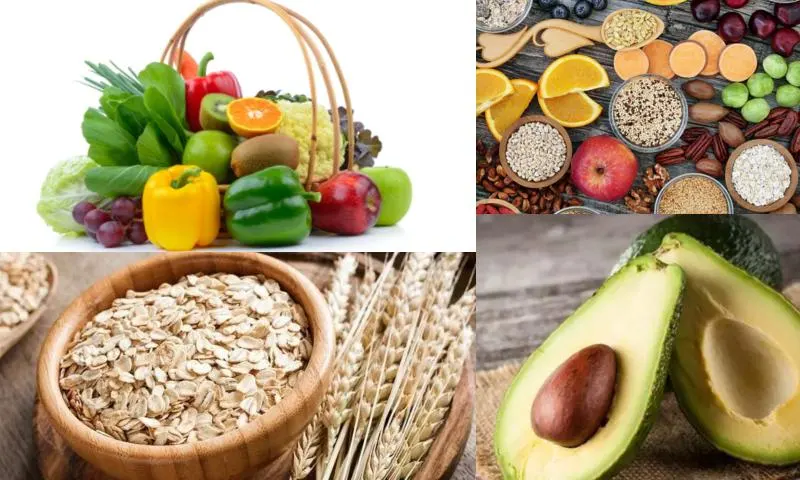
Fiber is divided into two groups: soluble and insoluble fiber. Soluble fiber combines with water to form a gel-like consistency and slows down digestion. This type of fiber is found in foods like oats, apples, carrots, and lentils, and helps lower cholesterol. Insoluble fiber, on the other hand, creates bulk in the intestines and speeds up the digestive process. Bran cereals, whole wheat bread, legumes, and some vegetables fall into this group. It is important to benefit from both types in a balanced way in a fiber-rich diet. Avoiding processed foods and choosing unprocessed natural foods is effective in increasing daily fiber intake.
Contributions of Fiber Nutrition to Health
Fiber nutrition contributes to keeping the digestive system healthy. It prevents digestive problems such as constipation and supports the regular functioning of the intestines. Additionally, fiber-rich foods delay the feeling of hunger by keeping the stomach full for longer, thus helping with healthy weight loss. It can reduce the risk of type 2 diabetes, strengthen the immune system, and support the balancing of the gut flora. Studies also show that a fiber-rich diet may reduce the risk of colon cancer. A diet rich in fiber provides energy and satiety in the short term and greatly contributes to the protection of overall health in the long term.