
The History of Backgammon
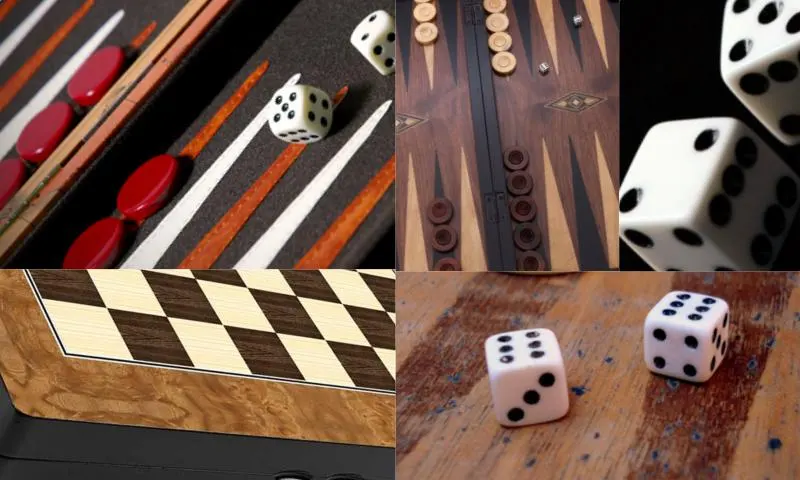
Backgammon is one of the oldest games in the world. It is played with 15 black, 15 white checkers, and dice. It is said that the stones and dice were made of bone in the early period when the game first appeared. Backgammon is a game invented in 10 days and found in Iran by the Iranian Shah Buzur Mehir. When it was first invented, the 6 sections in backgammon represented the 12 months. The checkers represented night and day. The meaning of the 12 opposing houses indicated the 24-hour period of the day. The Game of Skill and Chance
The approximate number of moves in backgammon is close to 4500. Since it is played with dice, it is a game where the element of chance is also important. Today, backgammon is played in two ways in the world. One is classic backgammon, and the other is modern backgammon. One of the differences that distinguishes modern backgammon from traditional backgammon is that the dice are thrown in a cup and an additional tool called a vido, similar to dice, is used besides the dice. The spread of backgammon among Turks dates back to the 1400s. It became widespread during the Rise Period. The names of dice in backgammon are spoken in Persian. For example, 1-yek, 1-1 hep yek, 2- dü, 2-2 dubara, 3-se, 3-3 dü se, and so on.